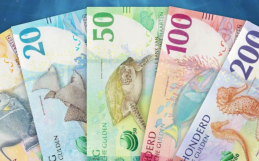
Planning a vacation somewhere in Europe soon? Here’s your guide to making sure you’ve got the right currency!
Imagine you’re gearing up for a dream trip across the world, only to realize you have no idea what cash to put in your wallet! It happens to almost every traveller at some point. Navigating local currencies and knowing what to carry for each destination is a key part of hassle-free travel prep. Let’s talk about the most popular destination this year: Europe!
You may remember the French Franc, or the Italian Lira, but it’s important to know that these currencies no longer exist. These legacy currencies were replaced by the EURO over twenty years ago. This process started in the late ‘80s, and the EURO currently covers 21 out of 27 EU countries. Although some exceptions exist, most of the countries within Europe have switched their currency to the Euro.

This isn’t the way it is for every country, though…and that’s what some people may not know! For example, Bosnia is still a potential candidate for EU membership, but has its own convertible currency that can be bought only within the country. Some EU countries have opted to retain their own domestic currency. Here is a list of them and what their currencies are:
Countries OFF The Euro
- Switzerland (CHF – Franc)
- Romania (RON – New Leu)
- Hungary (HUF – Forint)
- Turkey (TRY – Lira)
- Poland (PLN – Zloty)
- Iceland (ISK – Krona)
- Norway (NOK – Krone)
- Czech (CZK – Koruna)
- Sweden (SEK – Krona)
- Denmark (DKK – Krone)

Overall, when you’re planning a trip to Europe, make sure to take a look at the destination, and make sure that you’re picking the right currency for the country you’re off to!